Best Time for Surfing Canggu
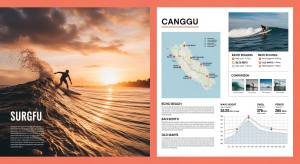
The best time for surfing Canggu largely aligns with Bali’s dry season, typically from April to October, offering consistent offshore winds and powerful swells perfect for all skill levels. While the dry season guarantees prime conditions, the shoulder months present a sweet spot of good waves and fewer crowds, and even the wet season holds charm for the adventurous, with occasional clean days and significantly lower prices.
- Peak Dry Season (June-August): Ideal offshore winds, consistent swell, highest crowds, premium pricing.
- Shoulder Seasons (April-May, September-October): Excellent conditions, moderate crowds, better value.
- Wet Season (November-March): Onshore winds, fewer crowds, lowest prices, opportunity for east coast exploration.
The first light of dawn spills over Canggu, painting the sky in hues of soft rose and gold. A faint, salty breeze carries the murmur of the ocean, a rhythmic pulse that quickens the heart. You sip your local kopi, the air still cool and fresh, and watch as the first lines of swell feather perfectly on the horizon. This isn’t just another morning; it’s the prelude to an experience that defines Bali’s magnetic pull. Understanding the nuanced rhythms of Canggu’s seasons is key to unlocking its finest moments on the waves, transforming a good surf trip into an unforgettable odyssey.
The Dual Rhythms of Canggu: Dry vs. Wet Season
Bali, an island kissed by the equator, dances to two distinct seasonal rhythms: the dry season and the wet season. These aren’t just shifts in rainfall; they dictate the very breath of the ocean, influencing wind patterns, swell consistency, and ultimately, the quality of your surfing Canggu experience. The dry season, running roughly from April to October, brings with it the southeastern trade winds. For Canggu’s west-facing breaks, these winds are a blessing, blowing offshore and creating clean, sculpted waves. Conversely, the wet season, from November to March, sees the winds shift to a predominantly westerly direction, often resulting in onshore conditions for Canggu, which can chop up the swell. Average temperatures hover consistently between a balmy 26°C and 31°C year-round, ensuring the water is always invitingly warm, typically around 27°C to 28°C. This constant warmth means wetsuits are rarely needed, a luxury that allows for extended sessions under the tropical sun. While the dry season is often lauded as prime, each period offers a unique character, from powerful, glassy barrels to playful, uncrowded rollers.
Peak Dry Season Perfection: June, July, August
Imagine days where the sun is a constant, brilliant companion, the sky an endless canvas of clear blue, and the humidity a distant memory. This is Canggu during its peak dry season, from June through August. The southeast trade winds are in full force, consistently blowing offshore at Canggu’s beaches, ensuring that the waves stand up tall and clean. Swells originating from the Southern Ocean are at their most powerful and consistent, delivering wave heights that frequently range from 4 to 8 feet, offering exhilarating rides for intermediate and advanced surfers, while still providing manageable sections for those learning. Rainfall during these months is minimal, often less than 50mm per month, ensuring dry roads and uninterrupted beach days. However, this perfection comes with a caveat: crowds. Echo Beach, Pererenan, and Batu Bolong see their lineups at their busiest, with a vibrant, international mix of surfers. Securing premium accommodation, especially luxury villas with ocean views, requires foresight; booking 3 to 6 months in advance is highly recommended, as prices for these exclusive stays can see a 20-30% premium. Even private surf lessons, which typically cost around IDR 600,000 for a 90-minute session, are at their peak rates. Despite the higher costs and bustling atmosphere, the sheer consistency and quality of waves make this period truly unparalleled for those seeking the ultimate dry season surf adventure. For more on exquisite stays, explore our curated list of Canggu’s luxury accommodations.
Shoulder Season’s Embrace: April, May, September, October
For the discerning traveler seeking a balance between exceptional surf and a more serene experience, Canggu’s shoulder seasons offer an alluring compromise. April and May mark the transition from the wet to the dry season, a period where the prevailing winds begin their favorable shift. The air feels lighter, and while occasional brief showers might still occur, they quickly give way to sunshine. Swell consistency improves dramatically, and the ocean often serves up beautifully clean waves, typically ranging from 3 to 6 feet, without the intense crowds of mid-summer. Airfare during these months can be 10-15% lower than peak season, presenting a tangible value. Similarly, September and October usher in the transition from dry back to wet, but the magic lingers. The winds remain largely favorable for Canggu, and strong swells continue to grace the coastline. The intense heat of the dry season begins to mellow, and a sense of calm descends as the peak tourist exodus begins. Accommodation prices might see a modest drop of 5-10% compared to July and August, making luxury experiences slightly more accessible. The marine conditions during both shoulder periods are excellent; the water temperature remains a delightful 27°C, and the absence of strong wind chop often results in longer, smoother rides. These months are ideal for those who appreciate the vibrancy of Canggu but prefer a little more space in the lineup and a slightly gentler pace, allowing for deeper immersion into the local culture and the rhythm of the waves. For general information on travel to Bali, consider exploring the official Indonesia Travel website.
Navigating the Wet Season: November, December, January
The wet season, spanning from November to March, ushers in a different facet of Canggu. While often characterized by higher humidity and more frequent rain showers, primarily in the afternoons or evenings, these months offer a unique appeal for the adaptable surfer. Average monthly rainfall can range significantly, from 200mm in November to over 350mm in January, yet the temperatures remain consistently warm, hovering between 26°C and 30°C. The primary challenge for Canggu’s west-facing breaks during this period is the shift to predominantly onshore westerly winds. These winds can create choppier conditions and less defined swells. However, the wet season is not without its gems. Early mornings often present lulls in the wind, delivering surprisingly clean and fun waves before the afternoon breezes pick up. Furthermore, while Canggu might be less consistent, Bali’s east coast breaks, sheltered from the westerly winds, often come alive during this time, offering excellent alternatives just a short drive away. Crowds thin out considerably, with significantly fewer international tourists, allowing local surfers and intrepid visitors to enjoy more open lineups. This reduction in demand translates directly into pricing; accommodation can be 15-25% cheaper than the dry season, making luxury villas more attainable. The one exception to this trend is the Christmas and New Year’s week, when a temporary spike in prices and visitor numbers occurs, driven by holiday travel. For those willing to embrace the tropical showers and explore beyond the immediate Canggu coastline, the wet season can unveil a more authentic and uncrowded Bali surf experience.
Embracing the Tropics: February, March
As the wet season progresses into February and March, the tropical climate fully asserts itself. These months can be among the most humid, with rainfall remaining high, often exceeding 300mm in February. While the persistent onshore winds for west-facing beaches like those in Canggu continue to be the norm, a distinct charm emerges for the patient and flexible surfer. The swells, though often less powerful and less perfectly groomed than in the dry season, are still present, delivering a consistent supply of waves that are typically smaller and more playful. This makes February and March an excellent time for beginners to hone their skills without the intimidation of larger, more crowded waves. The real draw, however, lies in the tranquility. Tourist numbers reach their annual nadir during these months, offering an unparalleled sense of peace and space. You’ll find fewer people in the water, on the roads, and in the cafes, providing a deeper connection to the local rhythms of Bali. This significant drop in demand also translates into the lowest prices of the year for flights and accommodation, often 20-30% below peak season rates. It’s a prime window for budget-conscious luxury travelers or those seeking a truly uncrowded escape. While the conditions for surfing Canggu may demand more adaptability, the reward is an intimate, unhurried experience of Bali, far from the madding crowds. If you’re looking to learn or refine your technique during this quieter period, consider exploring Canggu’s reputable surf schools. For a broader understanding of Bali’s climatic patterns, refer to resources like Wikipedia’s Climate of Bali page.
Beyond the Swell: Crowds, Costs, and Conscious Travel
The decision of when to visit Canggu extends beyond just wave conditions; it encompasses the entire travel ecosystem, from the buzzing energy of the lineups to the quiet contemplation of a sunset session. Crowd dynamics are perhaps the most significant non-surf factor. During the peak dry season (June-August), expect a vibrant, bustling scene. Surf etiquette becomes paramount, requiring patience and respect for fellow surfers. The shoulder seasons offer a more relaxed atmosphere, with fewer people vying for waves, while the wet season provides an almost private experience, especially on weekdays. Cost considerations are equally important. Flights and luxury accommodations are at their most expensive during the peak dry season, with prices often doubling compared to the low wet season. Board rentals, which typically range from IDR 70,000 to IDR 100,000 per day, remain fairly consistent year-round, but ancillary services like private surf guides may be more readily available and negotiable during quieter periods. Ultimately, choosing your timing for surfing Canggu is a personal decision, weighing pristine conditions against crowd levels and budget. Regardless of when you visit, embracing conscious travel is essential. Support local businesses, minimize your environmental footprint, and always respect the local culture and the ocean that gives so much. For a deeper dive into responsible tourism practices in Indonesia, consult official sources like Indonesia’s government tourism initiatives.
From the glassy barrels of the dry season to the uncrowded, playful waves of the wet season, Canggu offers a dynamic surf narrative throughout the year. Your perfect moment awaits, whether it’s sharing the lineup with a global community under a relentless sun or finding solitude in the tropics. Plan your journey, pack your board, and prepare to immerse yourself in the unparalleled magic of Bali’s waves. Discover more about planning your ultimate surf and luxury escape on our homepage.