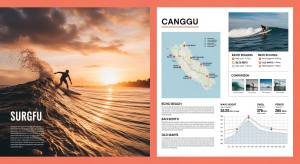
Surfing Canggu Packing Guide
Preparing for your surfing Canggu adventure means curating a thoughtful wardrobe and gear collection that balances tropical climate resilience, surf functionality, and cultural reverence. This guide ensures you arrive equipped for both exhilarating waves and sophisticated island living, from reef-safe sun protection to elegant evening wear.
- Surf Essentials: Performance swimwear, rash guards, reef booties, and board wax.
- Climate Preparedness: Lightweight, breathable fabrics, high SPF reef-safe sunscreen, wide-brim hats.
- Cultural Sensitivity: Modest attire for temple visits and village explorations, including sarongs.
The humid air wraps around you the moment you step off the plane, a warm embrace promising sun-drenched days and an electric hum of distant waves. The scent of frangipani and burning incense mingles with the salty breeze, drawing you deeper into Bali’s vibrant tapestry. Here in Canggu, the rhythm of life pulses with the tides, where world-class breaks meet rice paddies and chic boutiques. Your days will unfold between sunrise surf sessions, vibrant café brunches, and sunset cocktails overlooking the Indian Ocean. But to truly immerse yourself in this unique blend of spiritual tranquility and exhilarating adventure, your packing list must be as meticulously curated as your itinerary. This isn’t just about throwing things into a suitcase; it’s about assembling an arsenal of essentials that allow you to glide seamlessly from ocean to opulent villa, always prepared, always elegant, always respectful.
The Essential Surf Kit for Surfing Canggu
Your primary reason for visiting Canggu likely revolves around its magnetic pull for surfers, from beginners finding their feet at Batu Bolong to seasoned pros tackling the more challenging reef breaks further north. Equipping yourself with the right surf gear is paramount for both performance and comfort in the warm Indonesian waters. The average water temperature here hovers around a balmy 27°C (81°F) year-round, meaning thick wetsuits are unnecessary. Instead, focus on protection from the sun and reef. For those planning to rent a board, daily rates typically range from IDR 50,000 to 100,000 (approximately $3.50-$7 USD), making it an accessible option. However, bringing your own high-performance board, particularly if you have specific dimensions, ensures consistency. Consider a lightweight travel board bag from brands like FCS or Pro-Lite. If you’re flying internationally, check airline baggage policies; some carriers like Garuda Indonesia have specific surfboard allowances.
Boards & Accessories
If you’re bringing your own stick, ensure it’s packed securely. A reliable leash, preferably a few months old or new, is non-negotiable; a snapped leash in a strong current can quickly turn a fun session into a stressful one. Pack a few spares. Wax specifically formulated for tropical water is crucial – standard cold-water wax will melt off your board in minutes. Brands like Sticky Bumps or Sex Wax offer excellent tropical options. Don’t forget a fin key and a spare set of fins, especially if you ride a specific fin setup that might not be readily available for purchase in smaller surf shops. Reef booties are highly recommended, particularly for spots like Echo Beach or Pererenan, where volcanic rock and reef can be unforgiving on bare feet. Opt for thin, flexible booties from brands like Rip Curl or O’Neill for maximum board feel. A small ding repair kit with sun cure resin can be a lifesaver for minor board damage, allowing for quick fixes between sessions.
Performance Apparel
For apparel, think sun protection and freedom of movement. Rash guards are indispensable. Look for long-sleeved, high-UPF (Ultraviolet Protection Factor) options from brands such as Patagonia or Billabong. These not only prevent painful sunburn but also offer a layer of protection against board rash. For swimwear, women might prefer one-piece suits or secure bikinis that won’t shift during powerful duck dives or wipeouts. Brands like Roxy or Seafolly offer stylish yet functional designs. Men should pack quick-drying board shorts from brands like Vissla or Hurley, ensuring they have a secure drawstring. Remember that Bali’s intense equatorial sun means you’ll be spending significant time under its rays; proactive protection is key to enjoying your time in the water without painful consequences. After a session, quick-drying towels, like those from Nomadix, are ideal for minimizing bulk and drying quickly in the humid climate.
Mastering Bali’s Tropical Climate & Sun Protection
Bali’s tropical climate is characterized by warm temperatures and high humidity year-round, with two distinct seasons: the dry season (April to October) and the wet season (November to March). Average daily temperatures hover around 27-32°C (81-90°F), with humidity often exceeding 80%. This dictates a very specific approach to your wardrobe and sun protection strategy. Lightweight, breathable fabrics are your best friends. Think linen, cotton, and moisture-wicking synthetics. Avoid heavy denim or thick materials that will feel stifling. While the dry season offers more consistent sunshine, even during the wet season, powerful sun breaks through the clouds, necessitating constant vigilance against UV exposure. Hydration is also paramount; you’ll be sweating more than you realize, even when relaxing. Carry a reusable water bottle from brands like Hydro Flask or S’well, as many cafes and villas offer filtered water refills, a small step towards reducing plastic waste on the island.
Reef-Safe Sun Defense
This is non-negotiable for surfing Canggu. Traditional chemical sunscreens contain oxybenzone and octinoxate, which are highly damaging to coral reefs and marine life. Opt for mineral-based, reef-safe sunscreens containing zinc oxide and titanium dioxide. Brands like Supergoop!, Thinksport, or Avasol offer excellent broad-spectrum SPF 30-50 options. Apply generously and reapply every two hours, especially after swimming or sweating. Don’t forget often-missed spots like the tops of your feet, ears, and the back of your neck. A high-quality, wide-brimmed hat (e.g., from Tilley or Patagonia) is essential for protecting your face and neck when you’re out of the water. Polarized sunglasses, like those from Ray-Ban or Maui Jim, will protect your eyes from glare off the water and roads, and are crucial for spotting waves from the beach. Consider a durable case for your eyewear to protect against accidental drops.
Hydration & Aftercare
Beyond sunscreen, your skin will appreciate extra care in this climate. A lightweight, non-comedogenic moisturizer will help combat dryness from sun and salt. Aloe vera gel is a soothing balm for any accidental sunburns or irritated skin. Insect repellent is also a must, especially during dawn and dusk. Look for options with DEET or natural alternatives like citronella or picaridin from brands such as Sawyer Products or Cutter. Dengue fever is present in Bali, so diligent mosquito protection is vital. After long days in the sun and salt, a gentle, hydrating shampoo and conditioner are beneficial. Consider travel-sized solid shampoo bars from brands like Ethique to minimize plastic and liquid restrictions. Electrolyte tablets or powders (e.g., Nuun, Liquid IV) can be incredibly helpful for rehydration after intense surf sessions or simply to combat the effects of the tropical heat. Remember, staying hydrated is key to maintaining energy levels and avoiding heat-related illnesses.
Canggu Style: From Beach to Bistro
Canggu’s aesthetic is a unique blend of laid-back surf culture and sophisticated bohemian chic. While flip-flops and board shorts are perfectly acceptable for a beach walk or a casual warung lunch, the evenings often call for something a little more polished. The luxury villas and trendy restaurants that dot the landscape invite a sense of effortless elegance. Think natural fabrics, relaxed silhouettes, and artisanal accessories. Your wardrobe should reflect this versatility, allowing you to transition smoothly from a post-surf smoothie at Shady Shack to a gourmet dinner at Mason or a sunset cocktail at The Lawn. The key is comfort without compromising on style. Embrace the tropical vibe with vibrant prints and earthy tones, but always keep a few elevated pieces on hand for those special evenings. The local market scene, like Love Anchor, offers beautiful handmade jewelry and clothing, providing opportunities to enhance your wardrobe with unique Balinese pieces.
Effortless Daywear
For daytime explorations, whether you’re cruising on a scooter through the rice paddies or browsing the boutiques, comfort is paramount. Loose-fitting linen shirts and shorts or breathable cotton dresses are ideal for women. Men will find linen shirts, tailored shorts, and light t-shirts to be versatile options. Brands like Vilebrequin for swimwear and resort wear, or local designers found at boutiques like The Slow Store, embody this relaxed luxury. Sandals or stylish slides are perfect for walking around, but if you plan on extended scooter rides, closed-toe shoes like canvas sneakers (e.g., Veja, Soludos) offer better protection and grip. A stylish yet practical beach bag, perhaps a woven straw tote, will carry your essentials like a book, water bottle, and sarong. Don’t forget a lightweight cover-up for women – a kaftan or a simple linen shirt can double as sun protection and a modest layer when popping into a local shop or cafe. The vibrant street art and surf murals around Canggu provide endless inspiration for your daily outfits.
Evening Elegance
As the sun dips below the horizon, painting the sky in fiery hues, Canggu’s dining and nightlife scene comes alive. While formal wear isn’t typically required, a smart-casual approach is appreciated at many of the upscale establishments. For women, elegant maxi dresses, chic jumpsuits, or tailored linen trousers paired with a sophisticated top are perfect. Brands like Zimmermann or Faithful the Brand capture the essence of resort wear. Men can opt for smart linen shirts, polo shirts, or light button-downs paired with tailored shorts or chinos. Leather sandals or loafers are appropriate footwear. Avoid t-shirts with large logos or overly casual attire for dinner reservations. Accessorize with subtle jewelry – perhaps a silver piece from a local artisan – and a clutch or small crossbody bag. A lightweight scarf or pashmina can be useful for cooler evenings or air-conditioned interiors. Remember, the Balinese appreciate a well-dressed visitor, and a little effort goes a long way in enhancing your dining experience.
Cultivating Cultural Sensitivity & Respectful Attire
Bali is not just a surf destination; it is a profoundly spiritual island, deeply rooted in Hindu traditions. The Balinese people are incredibly welcoming, but demonstrating respect for their culture and customs is essential. This extends directly to your choice of attire, particularly when visiting temples or attending ceremonies. While surfing Canggu might involve minimal clothing, stepping outside of the immediate beach zone requires a shift in mindset and wardrobe. The island is dotted with thousands of temples, from grand complexes like Tanah Lot (a mere 20-minute drive from Canggu) to small family shrines. Acknowledging and respecting these sacred spaces through appropriate dress is a simple yet powerful way to show appreciation for your host culture. Indonesia is a country with a rich tapestry of beliefs and customs, and your thoughtful preparation contributes positively to your travel experience and interaction with locals. For more on local customs, refer to Indonesia.travel’s official guide to Bali.
Temple Etiquette
When visiting any temple in Bali, modesty is key. Both men and women are required to cover their shoulders and knees. This typically means wearing a sarong (kain) and a sash (selendang) around the waist. Many temples provide these for rent at the entrance for a small fee (often IDR 10,000-20,000, or less than $1.50 USD), but having your own is more convenient and often more hygienic. Pack a lightweight sarong made of cotton or rayon that can be easily folded into your day bag. Women should also ensure their shoulders are covered, so a t-shirt or a light long-sleeved top is appropriate. Avoid tank tops or strapless dresses. Men should also wear a t-shirt or collared shirt, not just a bare chest. Footwear should be easy to slip on and off, as you might be required to remove your shoes before entering certain areas of the temple. These small gestures go a long way in showing respect for the sacred spaces and the local community.
Village Visits & Local Interactions
Beyond temples, a general sense of modest dress is appreciated when interacting with locals in villages or markets, especially outside of the main tourist hubs. While Canggu is quite cosmopolitan, venturing into more traditional areas warrants a slightly more conservative approach. This doesn’t mean you need to be fully covered, but avoiding overly revealing clothing demonstrates respect. For women, this might mean longer shorts or skirts instead of very short ones, and tops that cover the midriff. For men, t-shirts or casual shirts are always acceptable. When visiting a local home or guesthouse, it’s customary to remove your shoes before entering. Engaging with local vendors, artisans, or simply navigating through a local market will feel more comfortable and respectful if you are dressed appropriately. This thoughtful approach enhances your cultural immersion and fosters positive interactions, allowing you to experience the true heart of Bali.
Health, Wellness, & Personal Preparedness
Ensuring your health and well-being while traveling is just as important as packing the right board shorts. The tropical environment, coupled with new foods and activities, means a little foresight in your medical kit can prevent minor issues from becoming major inconveniences. Bali has good medical facilities, particularly in areas like Denpasar and Seminyak, but having immediate access to basic first aid and personal medications is always wise. The intense sun, potential for cuts from reef or board, and the ever-present mosquitoes are all factors to consider. Prior to your trip, consult your doctor about recommended vaccinations for Indonesia. Bringing a small, comprehensive kit tailored to your needs will allow you to address common travel ailments quickly, keeping your focus on the incredible waves and vibrant culture of surfing Canggu.
First Aid & Medications
A well-stocked personal first aid kit is crucial. Include antiseptic wipes, band-aids in various sizes, sterile gauze, and medical tape for minor cuts and scrapes, which are common for surfers. A small bottle of hydrogen peroxide or an antiseptic cream like Betadine is useful for cleaning wounds. Pain relievers (ibuprofen or paracetamol), anti-diarrhea medication (e.g., Imodium), and antihistamines for allergies or insect bites are highly recommended. If you have prescription medications, ensure you pack enough for your entire trip, plus a few extra days, and keep them in their original packaging with a copy of your prescription. Consider packing motion sickness medication if you’re prone to it, especially for boat trips to outer islands. A small pair of tweezers for splinters or sea urchin spines can also be invaluable. Don’t underestimate the power of a good quality after-sun lotion with aloe vera to soothe sun-kissed skin.
Insect Repellent & Hydration
Mosquitoes are a reality in Bali, and while most are just a nuisance, some can carry dengue fever or chikungunya. Pack a strong insect repellent with at least 30% DEET or a suitable natural alternative. Apply it diligently, especially during dawn and dusk. For an extra layer of protection, consider lightweight, long-sleeved pajamas for sleeping. Beyond bug bites, staying hydrated is paramount in the tropical heat. As mentioned, a reusable water bottle is essential. Additionally, consider packing oral rehydration salts (ORS) or electrolyte sachets. These are invaluable for quickly replenishing lost fluids and minerals, especially after intense physical activity like surfing or if you experience any stomach upset. Remember that tap water in Bali is generally not safe for drinking, so always opt for bottled or filtered water. Carrying hand sanitizer is also a good practice, particularly before meals or after handling money, to minimize the risk of foodborne illnesses.
Tech Essentials & Travel Documents
In today’s interconnected world, a few key tech items can significantly enhance your travel experience, from navigating unfamiliar streets to capturing breathtaking sunsets. However, remember to balance connectivity with the desire to disconnect and immerse yourself in the present moment. While luxury villas in Bali often provide excellent Wi-Fi, having your own power solutions and backup plans is always smart. Beyond gadgets, your travel documents are your lifeline. Keep them secure, accessible, and backed up. A small, waterproof dry bag or pouch is incredibly useful for protecting your phone, wallet, and passport when you’re near the water or caught in an unexpected tropical downpour. Consider a travel wallet from brands like Bellroy or Herschel that can organize multiple currencies and cards efficiently. Investing in a durable, lightweight luggage set from Rimowa or Tumi can make navigating airports and transfers a smoother, more elegant process.
Power & Connectivity
Indonesia uses Type C and Type F power outlets, with a standard voltage of 230V and frequency of 50Hz. A universal travel adapter is a must-have. Consider one with multiple USB ports to charge several devices simultaneously. A portable power bank (e.g., from Anker) with a high capacity (10,000mAh or more) is invaluable for keeping your phone, camera, or e-reader charged during long days out or during power outages, which can occasionally occur. For photographers, extra camera batteries and memory cards are essential; you’ll be capturing countless stunning moments. A waterproof phone case (e.g., from LifeProof) allows you to capture those epic surf shots or protect your device from splashes. While local SIM cards are readily available and affordable (a 30-day tourist SIM with generous data can cost around IDR 100,000-200,000, or $7-14 USD), ensure your phone is unlocked before you arrive. This provides reliable internet access for navigation, communication, and sharing your adventures instantly.
Critical Paperwork
Your passport must be valid for at least six months beyond your intended departure date from Indonesia. Ensure you have a valid visa if required for your nationality; many countries qualify for visa-on-arrival or visa-free entry, but always check current regulations on the official Indonesian Immigration website. Print physical copies of your flight itineraries, accommodation bookings, and travel insurance details, and store them separately from your digital copies. It’s also wise to keep digital copies on your phone, in the cloud, and perhaps emailed to a trusted contact. Take photos of your passport, visa, and credit cards (front and back, but obscure the CVV) and save them in a secure, encrypted cloud service or email them to yourself. This makes replacing lost documents significantly easier. Carry a small amount of local currency (Indonesian Rupiah – IDR) for immediate expenses upon arrival, though ATMs are widely available in Canggu. A secure, anti-theft travel bag (e.g., from Pacsafe) can provide peace of mind for carrying your most valuable documents and electronics.
As the final rays of the Balinese sun stretch across the horizon, painting the sky in fiery oranges and purples, you’ll feel the gentle satisfaction of a day well-lived. Your board is tucked away, your skin kissed by the sun, and your spirit invigorated by the ocean. By meticulously curating your packing list, you’ve not only prepared for the practicalities of a tropical surf adventure but also embraced the nuanced elegance and cultural reverence that define a true Condé Nast Traveler experience. Every item in your luggage, from the reef-safe sunscreen to the elegant linen dress, plays a role in crafting an unforgettable journey. So, pack with intention, embrace the island’s rhythm, and prepare to discover the magic that awaits you on the shores of Canggu. Your ultimate Balinese escape, perfectly prepared, begins now.