What is the Best Time for Beginner Surfing in Canggu?
- Ideal Wave Conditions: Gentle, rolling waves, typically 2-4 feet high, are perfect for novice surfers.
- Favorable Weather: Sunny skies and warm water temperatures averaging 27°C (81°F) ensure maximum comfort.
- Peak Season for Instruction: A higher availability of professional surf schools and instructors can be found during these months.
The warm Indian Ocean swirls around your ankles, a soothing contrast to the fine, volcanic-black sand underfoot. You can taste the salt on the air, a scent carried on a light breeze that also brings hints of frangipani and clove incense from a nearby temple offering. Your board, a nine-foot foam longboard, feels reassuringly solid under your arm. The sun is just beginning its ascent over the island’s interior, casting a golden glow on the lines of whitewater rolling into Batu Bolong beach. This is the moment you’ve pictured. But as any seasoned waterman will tell you, timing in surfing is everything. It’s not just about the moment you decide to paddle for a wave; it’s about the month, the week, and even the hour you choose to be here. For those new to the sport, selecting the right window in the calendar is the single most important decision you’ll make, one that separates a frustrating struggle from a transformative experience. So, when exactly is that perfect window for a beginner learning to surf in Canggu?
Decoding Canggu’s Two Seasons: The Dry and The Wet
Bali, located just 8 degrees south of the equator, doesn’t operate on a four-season calendar. Instead, its climate is dictated by a tropical monsoon cycle, creating two distinct periods: the dry season and the wet season. Understanding this fundamental rhythm is the first step in planning your surf trip. The dry season, running roughly from April through October, is what most people picture when they dream of Bali. It’s driven by southeast trade winds that blow from the land towards the sea along Bali’s west coast, where Canggu is situated. In surf terminology, this is an “offshore” wind. As I learned from Kadek Sudarsana, a surf guide with over 15 years of experience on these breaks, “The offshore wind is like a comb for the waves. It grooms the surface, holding the wave up longer and creating a clean, smooth face that’s easy to ride.” This period sees minimal rainfall, often less than 90 millimeters per month, and an abundance of sunshine. Conversely, the wet season, from November to March, sees a reversal. The winds shift, blowing from the west or northwest, creating “onshore” conditions in Canggu. This wind blows into the face of the waves, causing them to crumble prematurely and creating a choppy, disorganized surface that is notoriously difficult for beginners. This is also when the island receives the bulk of its annual precipitation, with monthly rainfall totals sometimes exceeding 350 millimeters, according to data on Bali’s climate. While the water remains a balmy 28°C, the frequent downpours and less-than-ideal wave quality make it a challenging time for a first-timer.
Why the Dry Season is Unrivaled for Novices
For someone just starting their journey with surfing Canggu, the dry season months from April to October are unequivocally the superior choice. The primary reason comes down to consistency and predictability. The Southern Ocean is a reliable swell-generating machine during these months, sending long-period groundswells toward Indonesia. While this can result in very large waves for experts at spots like Uluwatu, Canggu’s collection of reef and beach breaks tend to filter and soften this energy into something far more manageable. The beginner-friendly spots like Batu Bolong and Old Man’s will often see clean, rolling waves in the 2-to-4-foot range—the absolute sweet spot for learning. The offshore winds not only create immaculate wave faces but also slow down the speed at which the wave breaks, giving you precious extra seconds to get to your feet. This forgiving nature is critical for building muscle memory and confidence. Of course, this is also Bali’s peak tourism season. The lineups, especially from 9 AM to 11 AM, can feel crowded. However, this also means the entire surf infrastructure is operating at full capacity. You’ll have your pick of highly-qualified instructors and a wide range of board rentals. As you begin to budget for your trip, consider that high demand can affect prices; our comprehensive Surfing Canggu Pricing & Cost Guide provides a detailed breakdown of what to expect for lessons, accommodation, and daily expenses during this popular period. My advice, echoed by every local instructor I’ve spoken with, is to embrace the early morning. A 6:30 AM session often means sharing the waves with just a handful of others, with glassy conditions before the trade winds fully awaken.
The Shoulder Season Secret: Finding a Perfect Balance
While the peak months of July and August deliver fantastic conditions, the true insider’s choice for the best time for beginner surfing in Canggu lies in the “shoulder” months: April, May, September, and October. These periods offer a sublime compromise, delivering all the benefits of the dry season with significantly fewer people. The weather is still predominantly sunny, the trade winds are reliable, and the swells are consistent. Yet, the large holiday crowds have either not yet arrived or have already departed. This translates to more space in the water, more personalized attention from your instructor, and a generally more relaxed atmosphere around town. The economic benefits are also tangible. Flight and accommodation prices can be 15-25% lower than during the July-August peak. This allows you to either save money or reinvest it into more enriching experiences, whether that’s extra surf lessons or exploring the island’s profound cultural heritage. A visit to the Tegallalang Rice Terraces, part of the island’s UNESCO-recognized Subak irrigation system, is particularly rewarding in these months when the landscape is lush and visitor numbers are more manageable. I spoke with Elodie, a French expatriate who runs a boutique villa in Pererenan, and she calls September “the golden month.” “The energy of the island shifts,” she explained. “The frantic pace of August subsides, but the beautiful weather remains. For our guests who surf, it’s the best of all worlds—great waves and the space to actually enjoy them.”
Navigating the Wet Season: A Calculated Risk
Is it possible to learn to surf in Canggu during the wet season? The short answer is yes, but it requires flexibility, patience, and a bit of luck. From November to March, the dominant onshore winds create challenging conditions. The waves are often messy and unpredictable, making it difficult for a beginner to identify a good wave to catch. Furthermore, heavy rains can wash debris out of the island’s rivers, impacting water quality, particularly near the river mouths at Echo Beach and Pererenan. However, there are distinct advantages for the intrepid traveler. The crowds completely thin out. You might find yourself sharing a peak with only a few other surfers, a rare luxury during the dry season. The cost of everything from a coconut to a week’s stay in a villa drops significantly. Surf schools remain open, and you can often book private lessons at a moment’s notice for a fraction of the high-season price. The key to a successful wet-season surf trip is to be strategic. The wind is often calmest in the very early morning, offering a potential 1-2 hour window of clean conditions before the onshore breeze picks up. You must also be willing to travel. When the west coast is onshore, the east coast of Bali (a 60-90 minute drive away) often has offshore winds and clean waves at spots like Sanur or Keramas. For a complete look at all the options across the island, our The Definitive Surfing Canggu Guide offers insights into alternative spots for when local conditions aren’t cooperating.
Beyond the Calendar: The Crucial Role of Tides and Time of Day
Pinpointing the best time for beginner surfing in Canggu goes deeper than just choosing the right month. The daily rhythm of the ocean, governed by tides and time of day, is just as critical. Canggu’s main beginner break, Batu Bolong, is a forgiving, slow-breaking wave that works best on a mid-tide—that is, halfway between high and low tide. At high tide, the waves can break directly on the sand, creating a powerful “shorebreak” that can be intimidating and dangerous for novices. At low tide, parts of the volcanic reef become exposed, which is a hazard you want to avoid. With a tidal range that can exceed 2.5 meters, the difference between a perfect learning wave and a hazardous one can be just a matter of a few hours. Before any session, consulting a reliable surf forecast and tide chart is non-negotiable. Beyond tides, the time of day is paramount. The hours from sunrise (around 6:15 AM) to 9 AM are almost universally the best. The air is cool, the sun is less intense, the crowds are at their thinnest, and, most importantly, the wind is usually non-existent. This creates “glassy” conditions, where the ocean’s surface is smooth like a mirror, allowing waves to peel perfectly. A second window often opens up in the late afternoon, from about 4 PM until sunset, when the wind frequently dies down again. Midday, from 11 AM to 3 PM, is generally the worst time to paddle out, as it combines the strongest onshore winds, the fiercest sun, and the thickest crowds. For more general travel advice to complement your surf schedule, the official Wonderful Indonesia tourism portal is an excellent resource.
Quick FAQ: Your Canggu Beginner Surf Questions Answered
What is the water temperature in Canggu? Do I need a wetsuit?
The ocean temperature in Bali is consistently warm, hovering between 26-29°C (79-84°F) throughout the year. You absolutely do not need a wetsuit. A simple rashguard or surf top is highly recommended, not for warmth, but for protection from the tropical sun and to prevent chafing from the surfboard wax.
Which specific beach in Canggu is best for a complete beginner?
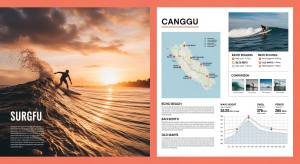
Batu Bolong beach is, without a doubt, the most suitable spot for first-timers. It features long, slow-developing, and incredibly forgiving whitewater waves over a mostly sandy bottom. Its wide-open space allows plenty of room for everyone. The adjacent break, known as Old Man’s, is a close second and offers a similar gentle wave.
How much should I budget for a beginner surf lesson?
Costs can vary, but you can generally expect a private, two-hour lesson with board rental included to be between IDR 500,000 and IDR 700,000 (approximately $32-$45 USD). Group lessons will be less expensive. For a full financial overview, our Surfing Canggu Pricing & Cost Guide covers everything from lessons to lattes.
Is it safe for a beginner to try surfing alone in Canggu?
It is strongly advised against surfing alone on your first few attempts. Taking a lesson from a certified local instructor is crucial. They will teach you not only the mechanics of standing up but also ocean safety, wave etiquette, and how to handle the currents, which can be quite strong. Safety should always be your first priority.
The perfect wave is a fleeting convergence of season, swell, tide, and wind. By targeting the dry season, particularly the shoulder months of May, June, or September, you give yourself the greatest possible chance of success. Waking up for those early morning, glassy sessions will reward you with the gentle, uncrowded conditions that are so crucial for building a solid foundation in surfing. The journey from novice to confident surfer is a profound one, and choosing the right time to begin is your first, most important step. At Surfing Canggu, we specialize in curating these perfect moments, removing the guesswork so you can focus on the pure joy of the ride. When you’re ready to turn this knowledge into reality, explore our tailored surf programs and book your transformative Bali surf adventure with us.