Best Time for Surfing Canggu — Insider Guide
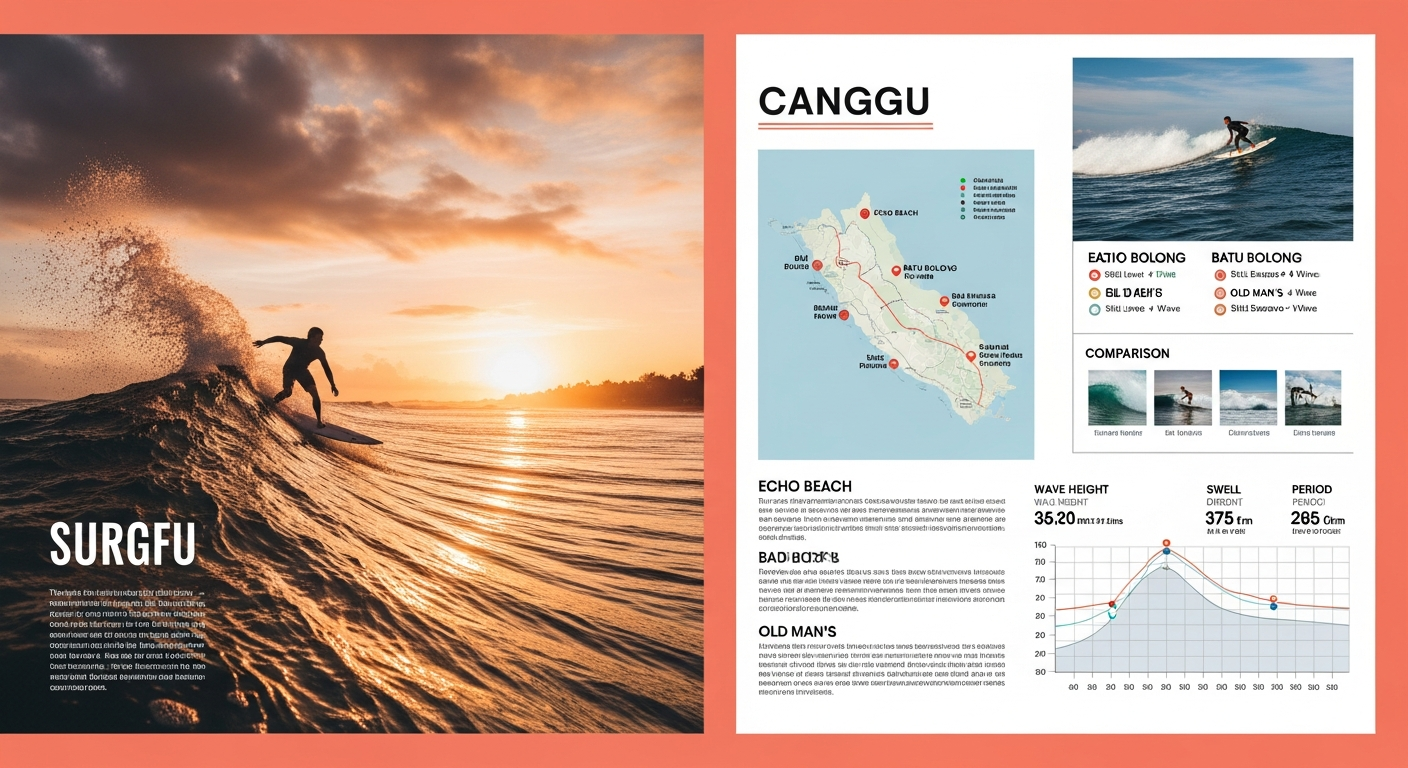
The first light breaks over the Indian Ocean, painting the horizon in a soft amber. A gentle offshore breeze whispers, carrying the scent of salt and frangipani. Beneath the surface, the swell builds, a rhythmic pulse drawing surfers to Canggu’s shores, each wave a fresh canvas.
Understanding Bali’s Surf Seasons: The Monsoons and Swells
Bali’s surf calendar operates on a distinct two-season rhythm, dictated by the island’s tropical monsoon climate. This pattern directly influences wave conditions across Canggu’s diverse breaks, shaping the experience for every surfer, from the absolute beginner taking their first lesson to the seasoned longboarder seeking a perfect glide. The dry season, running from approximately May to September, sees winds primarily from the southeast, creating ideal offshore conditions for the west-facing beaches of Canggu. Conversely, the wet season, from October to April, brings northwest winds, which can create choppier conditions on these same west coast spots, though it often cleans up the east coast breaks. Understanding this seasonal shift is foundational to planning your surfing Canggu adventure.
During the dry season, the Indian Ocean delivers consistent groundswells, often originating from deep southern ocean storms. These swells travel thousands of kilometers, gaining power before reaching the Indonesian archipelago. Wave heights at Canggu breaks during this period frequently range from 1.5 to 2.5 meters, with occasional larger pulses. Water temperatures remain consistently warm, averaging 28°C year-round, making wetsuits largely unnecessary for most visitors. The air temperature averages 30°C, providing warm, sunny days for extended sessions. This consistent pattern attracts a large number of international surfers, making Canggu a vibrant hub. For more on Bali’s climate, consult Wikipedia’s Bali entry.
The wet season, while often associated with rain, still offers exceptional surfing opportunities, particularly for those with local insight. While west coast breaks might experience onshore winds in the mornings, afternoons can often glass off, or the wind can swing. Rain showers, typically heavy but brief, usually occur in the late afternoon or evening, leaving mornings clear for surfing. Many surf schools, including those offering surfing Canggu lessons, adapt their schedules to these conditions, prioritizing early morning sessions. The advantage of the wet season often lies in reduced crowds and the potential for discovering less-frequented spots that come alive with different swell directions. The average rainfall in January, a peak wet season month, can reach 300mm, contrasting sharply with July’s average of 50mm.
Dry Season Dominance: May to September in Canggu
May marks the clear transition into Bali’s dry season, a period revered by surfers worldwide for its consistent, high-quality waves. For surfing Canggu, this means near-perfect conditions at its renowned west-facing breaks. The prevailing southeast trade winds blow offshore, grooming the incoming Indian Ocean swells into clean, peeling waves. This period is particularly favorable for intermediates and advanced surfers seeking powerful, well-formed rides. Echo Beach, a popular spot approximately 17 kilometers from Denpasar Airport, frequently offers fast, hollow waves, especially on bigger swells. Old Man’s, just south of Echo Beach, provides a more forgiving reef break, ideal for longboarders and those looking for longer, mellower rides, even during larger swell events.
Throughout June, July, and August, the dry season reaches its peak. Swell consistency is at its highest, with wave periods often exceeding 12 seconds, indicating powerful groundswells. Average wave face heights at Berawa, a beach break situated between Batu Bolong and Echo Beach, can range from 1.5 to 2 meters on a typical dry season day, providing excellent opportunities for progressive maneuvers. Many professional surf coaches operate extensively during these months, offering tailored professional surf coaching sessions. The clear skies and minimal rainfall ensure comfortable conditions both in and out of the water. This period is also popular for surf photographers, who capture the dynamic action against the backdrop of Bali’s vibrant sunsets.
September often sees a slight decrease in the intensity of the trade winds, signalling the approach of the shoulder season, but conditions generally remain excellent. The crowds, while still present, might begin to thin slightly compared to the peak months of July and August. This offers a sweet spot for those seeking quality waves with slightly fewer people in the water. For beginners taking their first surfing Canggu lessons, the consistent, manageable swells at Batu Bolong during the dry season are highly beneficial. ISA-certified instructors are readily available, guiding students through the fundamentals on soft-top boards, which are easily rented from numerous beachfront stalls for around 50,000 IDR for two hours.
Wet Season Waves: October to April and Uncrowded Peaks
While the dry season draws the largest crowds, the wet season in Canggu, from October to April, holds its own distinct appeal, particularly for those prioritizing fewer people and varied conditions. As the winds shift to the northwest, Canggu’s west-facing beaches like Echo Beach and Batu Bolong might experience onshore chop in the mornings. However, this often means smaller, more playful waves, which are exceptionally well-suited for beginners learning to surf. The relatively uncrowded line-ups during this period offer a less intimidating environment for novice surfers and families with kids taking their initial surfing Canggu lessons. The average number of surfers at Batu Bolong on a wet season weekday morning can be 30% less than during the dry season peak.
October and November represent the shoulder season, a transition period where conditions can be a mix of dry and wet season characteristics. There are often windows of clean, offshore conditions on the west coast, especially in the early mornings before the wind picks up. Swells during this time can still be substantial, though less consistent than the dry season. For experienced surfers, this means opportunities to find uncrowded, high-quality waves if they are flexible with their timing. Many surf camps offer attractive packages during these months, recognizing the potential for good waves without the peak-season pricing. The daily average temperature remains high, around 29°C, ensuring comfortable water sports.
From December through March, the wet season is fully established. While the west coast can be affected by onshore winds, this is when east coast breaks around Sanur and Keramas truly come alive. However, within Canggu itself, a discerning eye and a flexible schedule can still yield rewarding sessions. Often, late afternoons or specific tidal windows can bring cleaner conditions to spots like Batu Bolong and Old Man’s. Longboarders, in particular, often appreciate the smaller, more rolling waves found during this time, which allow for graceful cross-stepping and nose-riding. Board rental shops remain fully operational, offering a wide selection of longboards, shortboards, and soft-tops for daily or weekly rates, typically starting from 50,000 IDR for a few hours. The consistent swell from the Indian Ocean ensures there’s always something breaking somewhere on the island, even if it requires a short drive.
Navigating Canggu’s Breaks: Seasonal Spot-by-Spot Guide
Canggu offers a collection of distinct surf breaks, each responding differently to seasonal changes and swell directions. Understanding these nuances is key to maximizing your surfing Canggu experience, whether you are a beginner or an experienced wave rider. Echo Beach, known for its powerful left and right handers, thrives during the dry season. From May to September, offshore winds carve the consistent Indian Ocean swells into hollow, fast-breaking waves suitable for intermediate to advanced surfers. On a typical dry season day, waves here can reach 2.5 meters, breaking over a reef and sand bottom. During the wet season, Echo Beach can become choppier with onshore winds, but smaller days or early mornings can still offer fun, less crowded conditions, particularly for those comfortable with a bit more power.
Old Man’s, located just south of Echo Beach, is a significantly more forgiving reef break, making it a favorite for longboarders, beginners transitioning to green waves, and families. This spot performs well year-round, but truly shines in the dry season when consistent swells provide long, mellow rides. The waves here typically range from 1 to 2 meters and break slowly, allowing ample time to paddle, catch, and ride. During the wet season, Old Man’s remains a reliable option, often offering smaller, more manageable waves even when other spots are blown out. Its rock-bottom break is relatively deep, reducing impact risk. Surf schools frequently utilize Old Man’s for surfing Canggu lessons due to its consistent, gentle nature and easy access.
Berawa, a beach break situated between Batu Bolong and Echo Beach, offers a variety of peaks that can work for different skill levels depending on the swell and tide. In the dry season, Berawa can pick up good swell, providing faster, punchier waves than Old Man’s, appealing to intermediate surfers practicing turns and maneuvers. The sandy bottom makes it relatively safe, even with larger swells. During the wet season, Berawa often becomes a go-to spot for beginners and those seeking less intense waves, as the onshore winds tend to reduce the wave size and power. Local professional surf coaching often takes place here, with instructors guiding students through the shifting sandbars to find the best peaks. The beach stretches for approximately 1.5 kilometers, offering plenty of space.
Beyond the Main Breaks: Batu Bolong and Pererenan Through the Year
While Echo Beach, Old Man’s, and Berawa draw significant attention, Canggu’s broader coastline includes other notable breaks that offer distinct experiences depending on the season. Batu Bolong, perhaps the most iconic and accessible of Canggu’s breaks, is famous for its long, rolling waves that peel gently over a reef. This spot is a perennial favorite for longboarders and beginners, and it truly thrives year-round. In the dry season, Batu Bolong handles the larger swells with grace, producing consistent 1.5-meter waves that can offer rides of over 100 meters. The offshore winds groom these waves perfectly, creating ideal conditions for learning and progressing. Numerous ISA-certified instructors conduct surfing Canggu lessons here daily, with groups often numbering 5-7 students per instructor.
During the wet season, Batu Bolong remains highly surfable, often providing smaller, more manageable waves that are perfect for absolute beginners. Even with light onshore winds, the wave’s gentle nature allows for successful pop-ups and initial rides. The accessibility, with its proximity to cafes and board rental stalls (offering boards from 5’0 to 9’0), makes it a convenient choice regardless of the weather. For women surfers seeking certified instructors, Batu Bolong offers a supportive environment to learn and improve. The water depth over the reef at high tide is approximately 2 meters, providing a safe buffer for falls. For more on the diverse travel experiences in Indonesia, consider visiting Indonesia.travel.
Pererenan, located just north of Echo Beach, offers a slightly more advanced and often less crowded alternative. This beach break and reef combination works best on mid-tide and can offer powerful, fast-breaking waves. In the dry season, when the swells are consistent and the winds offshore, Pererenan can deliver excellent barrels and long rides, appealing to experienced shortboarders. The waves here often range from 1.5 to 2.5 meters. During the wet season, Pererenan can still be a good option on smaller swell days or when the wind conditions briefly align. Its slightly more secluded nature means fewer crowds compared to Batu Bolong, making it a strong contender for those seeking a bit more space in the line-up. Access to Pererenan requires a short scooter ride from central Canggu, approximately 3 kilometers. Photographers often favor Pererenan for its dramatic backdrop and powerful waves, especially during sunrise sessions.
Planning Your Surfing Canggu Journey: Lessons, Rentals, and Family Considerations
Regardless of the season, Canggu offers a comprehensive infrastructure to support your surfing ambitions. For beginners, enrolling in surfing Canggu lessons is the most effective way to start. Reputable surf schools employ ISA-certified instructors who prioritize safety and progressive learning. Lessons typically last 2 hours and cover everything from ocean awareness and paddling techniques to pop-up drills and wave etiquette. Prices for group lessons average around 350,000 IDR, with private coaching options available for more focused attention. Many schools also offer dedicated programs for families with kids, ensuring a fun and safe introduction to surfing for younger participants. The warm, shallow waters at Batu Bolong during high tide are especially conducive for children learning to stand on a board.
Board rental is readily available at all major Canggu breaks. From soft-top learner boards to performance shortboards and classic longboards, you will find a suitable option. Daily rental rates typically range from 50,000 IDR to 100,000 IDR, with weekly discounts often provided. It is advisable to inspect the board for dings before renting. For those considering professional surf coaching, many experienced coaches offer video analysis and personalized feedback, accelerating skill development. This is particularly beneficial for intermediate surfers looking to refine maneuvers or advanced surfers aiming for specific performance goals. Coaching sessions can be tailored to individual needs and often include multiple sessions over several days.
For photographers, both seasons offer unique opportunities. The dry season provides consistent blue skies and dramatic sunsets, ideal for capturing crisp action shots. The wet season, with its occasional moody clouds and fewer crowds, can yield equally compelling, atmospheric images. Longboarders will find Batu Bolong and Old Man’s particularly rewarding throughout the year, with their long, gentle waves. Women surfers seeking a supportive community and certified female instructors will find a welcoming environment in Canggu, with several surf schools catering specifically to women. When planning your trip, consider the trade-off between peak dry-season conditions and larger crowds versus the wet season’s quieter line-ups and potentially more varied conditions. Ultimately, the best time for surfing Canggu depends on your personal preferences and skill level.
Ready to experience the waves of Bali? Plan your visit to Canggu and discover the perfect conditions for your surfing journey. Whether you’re seeking expert instruction, a reliable board rental, or just the thrill of the Indian Ocean’s swell, surfingcanggu.com is your resource for everything you need to know. Explore our lesson packages and board rental options today to make the most of your time on the water.